

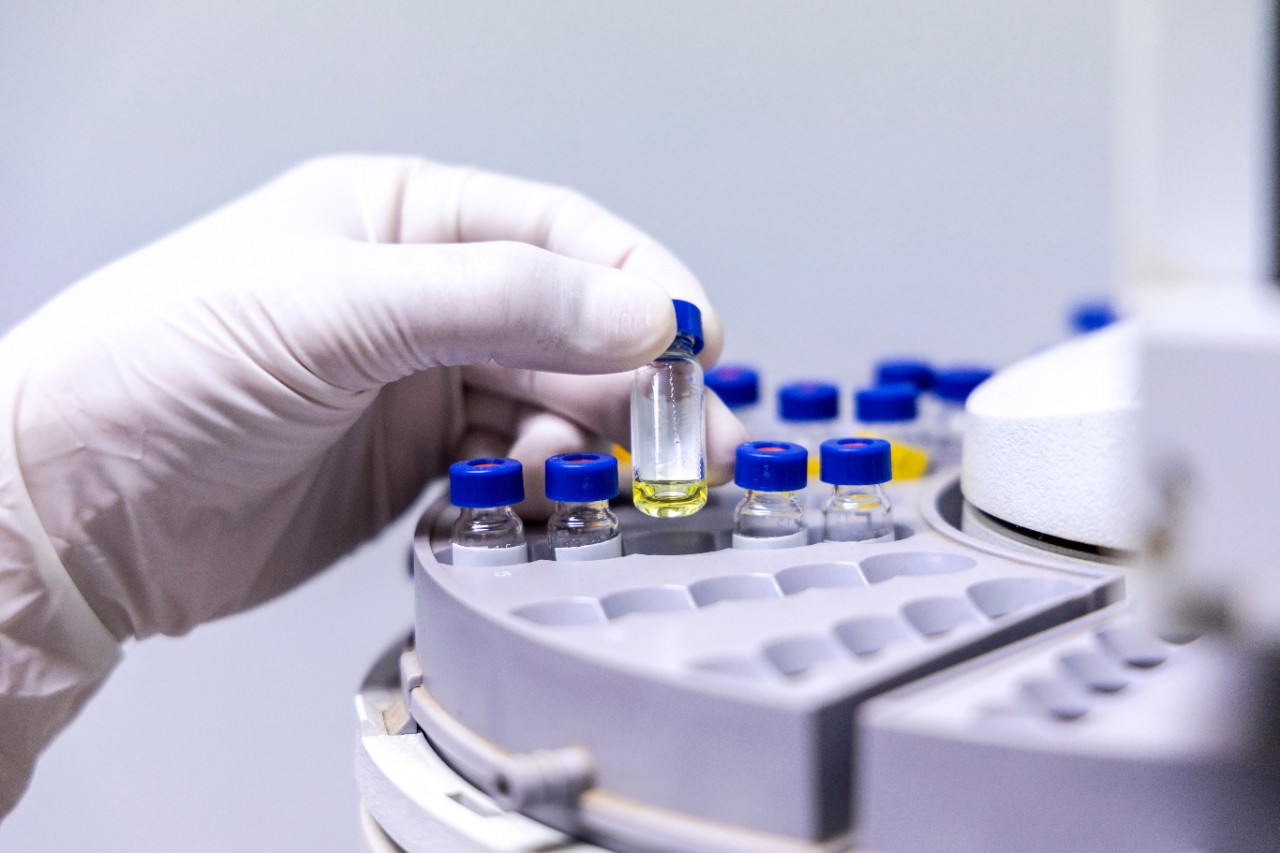
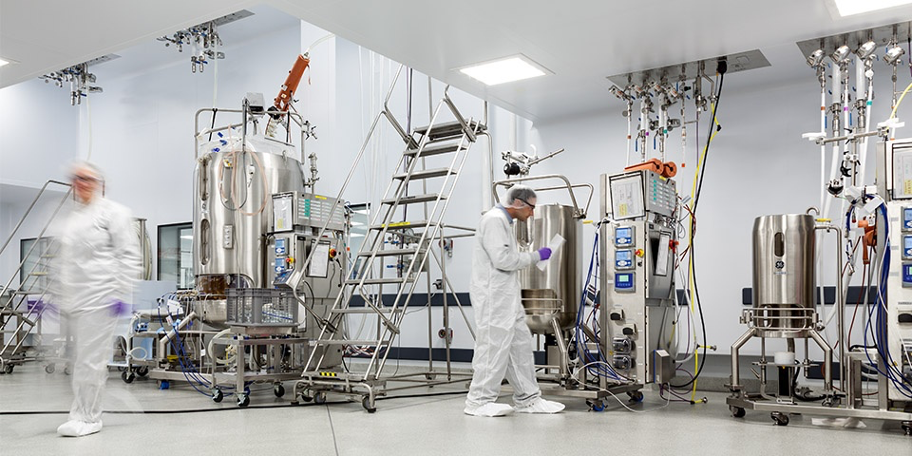

- Purity: recombinant production within sterile biotechnology facilities allows for a high degree of product purity and a low risk of infection.13,14
- Consistency: recombinant gonadotropin dosing is based on direct measurement of the active ingredient—a method described as, “filled by mass.” 4,6
- Chemical stability: recombinant technology has led to advances in the stability of protein-based products.15
- Production logistics: in an effort to improve efficiency, production methodologies continue to evolve towards single-use bioreactors—rather than dedicated facilities designed exclusively for a single medication.16
As in other fields of medicine, developments in biotechnology have had a significant impact on fertility care.1,2 Genetic engineering and recombinant DNA technology paved the way for industrial-scale production of complex protein molecules.2 Prior to this breakthrough, human donors were a major source of hormonal fertility treatments.3,4 Today, recombinant technology expands therapeutic options.5
An evolution to a single manufacturing method
Characteristics of recombinant and urinary medications
When prescribed as part of a fertility treatment, outcomes are generally comparable for recombinant and urinary medications.1



1. Child T et al. Front Endo. 2025;16:1536844 (1-14). 2. Bifulco M et al. EMBO Rep. 2025; 26;303-306. 3. Ebrahimi SB et al. Nat Comm. 2023;14:2411. 4. Lunenfeld B et al. Fertil Steril. 2018;110:255–263. 5. Racca A et al. Drugs. 2020;80(10):973-994. 6. Lunenfeld B et al. Front Endocrinol. 2019;10:429 (1-14) 7. Capolupo A et al. Int J Mol Sci. 2024;25:9405. 8. Ezcurra D et al. Reprod Bio Endo. 2014;12:95. 9. Van de Weijer BHM et al. Reprod Biomed Online. 2003:7(5):547–557. 10. Casarini L et al. Endo Rev. 2018;39:549-592. 11. Bassett R et al. Reprod Biomed Online. 2009;19:300–313. 12. Leão B et al. Clinics. 2014;69:279–293. 13. Landgraf W et al. Eur Endo. 2015;12(1):1-6. 14. Liras A. Int Arch Med. 2008;1:4. 15. Jayakrishnan A et al. Sci. 2024;6:9 (1-24). 16. Jacquemart R et al. Comp Struct Biotech J. 2018;14:309-318. 17. Patki A et al. J Hum Repro Sci. 2018;11(2):1-6. 18. Anderson RC et al. Endo Rev. 2018;39:911-937. 19. Nevelli F et al. Int J Mol Sci. 2023;24:8040.

The information on this site is intended for US healthcare professionals only and is governed by US laws and government regulations.
© 2026 Merck KGaA, Darmstadt, Germany or its affiliates. All rights reserved. EMD Serono is the healthcare business of Merck KGaA, Darmstadt, Germany in the U.S. and Canada.
Use and access of this site are subject to the terms and conditions set out in our Legal Statement and Privacy Policy
US-NONF-00815 05/26